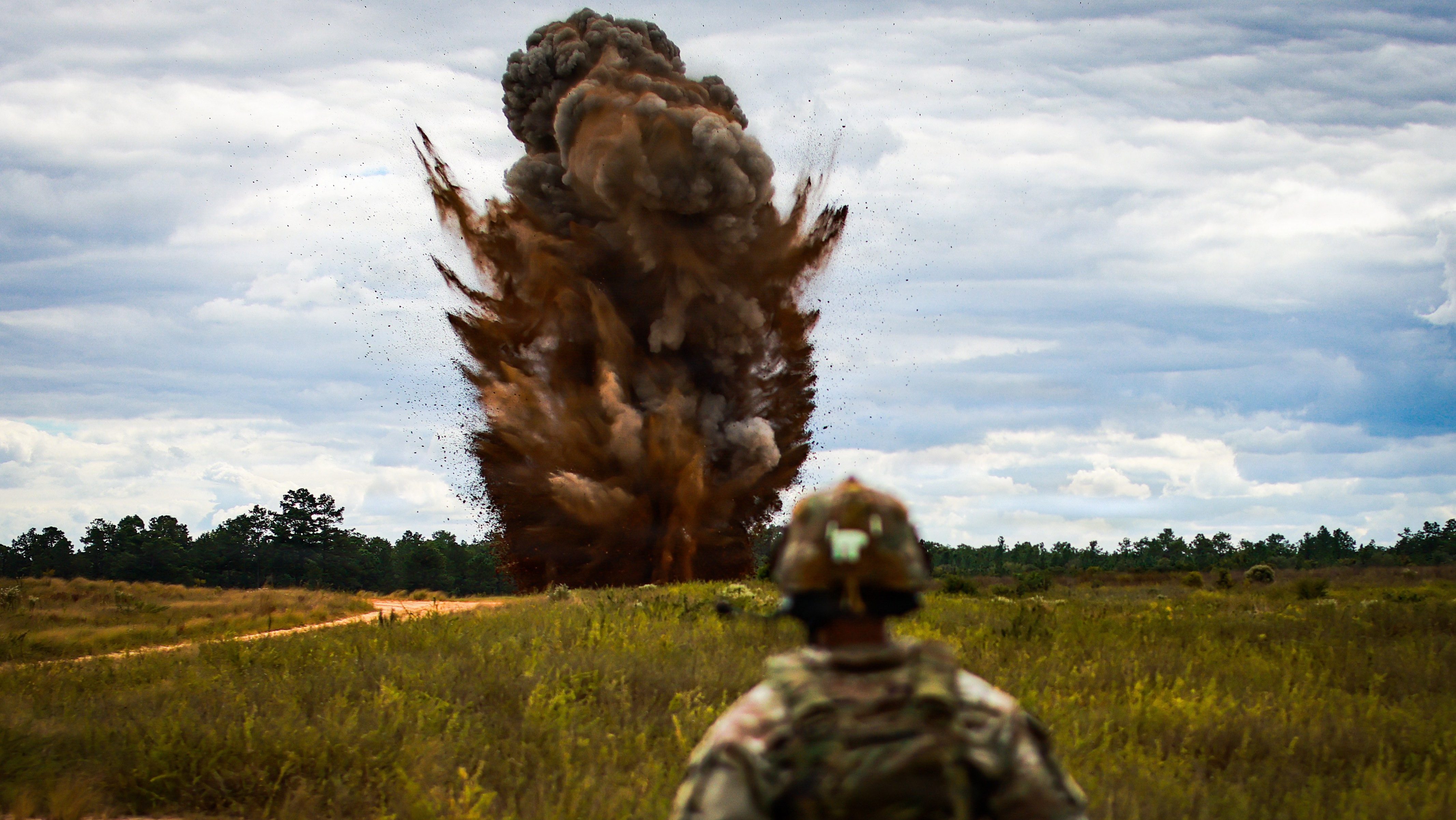
Retired Army Lt. Col. Alan Johnson survived the Iranian ballistic missile strike on Al-Asad Air Base, Iraq, in 2020, that left dozens with traumatic brain injuries that went undiagnosed for days and, in some cases, even weeks. Recently, Johnson told Congress that the majority of traumatic brain injuries, or TBIs, are “easily missed” in combat scenarios.
Johnson said he believes the military’s standard test for TBIs, which is essentially a checklist of symptoms that might be noticed in a doctor’s office or clinic, is not practical in austere environments. They take too long and are easy for troops to manipulate, leading to unmistakable signs and symptoms appearing later, often while back on duty, he said. After events like the Al-Asad strike, Johnson said, medical providers find themselves wondering “why does the number keep going up?”
“You have a bunch of head-injured soldiers that are like, ‘I’m good. I’m totally fine. I don’t even feel anything.’ And they’re lying to you until a few days later when they can’t stop throwing up, and they finally throw in the towel,” Johnson said. “When President Trump, at the time, had said ‘everybody’s OK, it’s just a bunch of headaches’ — [that] was a result of that underreporting.”
Now, Johnson is advocating for a new app-like tool that was developed to rapidly assess cognitive alertness even in combat conditions, which he said troops “can’t fake.” The test can be administered with a smartphone app that calculates cognitive alertness by tracking eye movement, the ability to sustain a vowel sound at one pitch, and motor skills through maintaining balance. Their measurements are compared against the baseline performance of people in similar demographics.
Top Stories This Week
TBIs have come to be the defining injury of recent combat zones, in which U.S. troops man bases that absorb large explosions from rockets and drones. More than half a million troops have suffered TBIs since 2000, according to the Department of Defense.
On Jan. 8, 2020, Iran struck Al-Asad Air Base, Iraq, with over a dozen ballistic missiles in response to the U.S. military’s killing of Iranian Major General Qasem Soleimani.
Nearly six years later, long-distance strikes have again erupted as part of Operation Epic Fury. Iran carried out a drone attack on a U.S. facility at the Port of Shuaiba, Kuwait, on March 1, killing six American soldiers and wounding over a dozen more. Elsewhere in the region, Iran has launched ballistic missiles “indiscriminately targeting military and civilian locations throughout the region,” according to U.S. Central Command, with the governments of Qatar and Saudi Arabia reporting interceptions and landings in their territories.
“Considering what our service members abroad are facing with new Iranian missile attacks this week, your work with this committee on these issues have become even more critical,” he said during a House Veteran Affairs Committee hearing on supporting veterans with TBI on March 5.
Johnson was twice knocked unconscious during the 2020 attack from the missile impacts, including one strike that landed 60 feet from his bunker. He was later diagnosed with a TBI, post-traumatic stress disorder, and cranial nerve damage that caused him to develop double vision, chronic insomnia, ringing in his ears, neck pain, balance issues, and difficulty finding the right words.
As an aeromedical physician assistant, or flight surgeon, with the 82nd Airborne Division, Johnson was tasked with evaluating soldiers for TBIs. In subsequent research that he co-authored for neurology and military medicine journals, Johnson found that the majority of soldiers evaluated using the military’s go-to TBI screening tool were not properly diagnosed. The troops he even evaluated himself did not show symptoms for weeks or more than a month after the attack, he said.
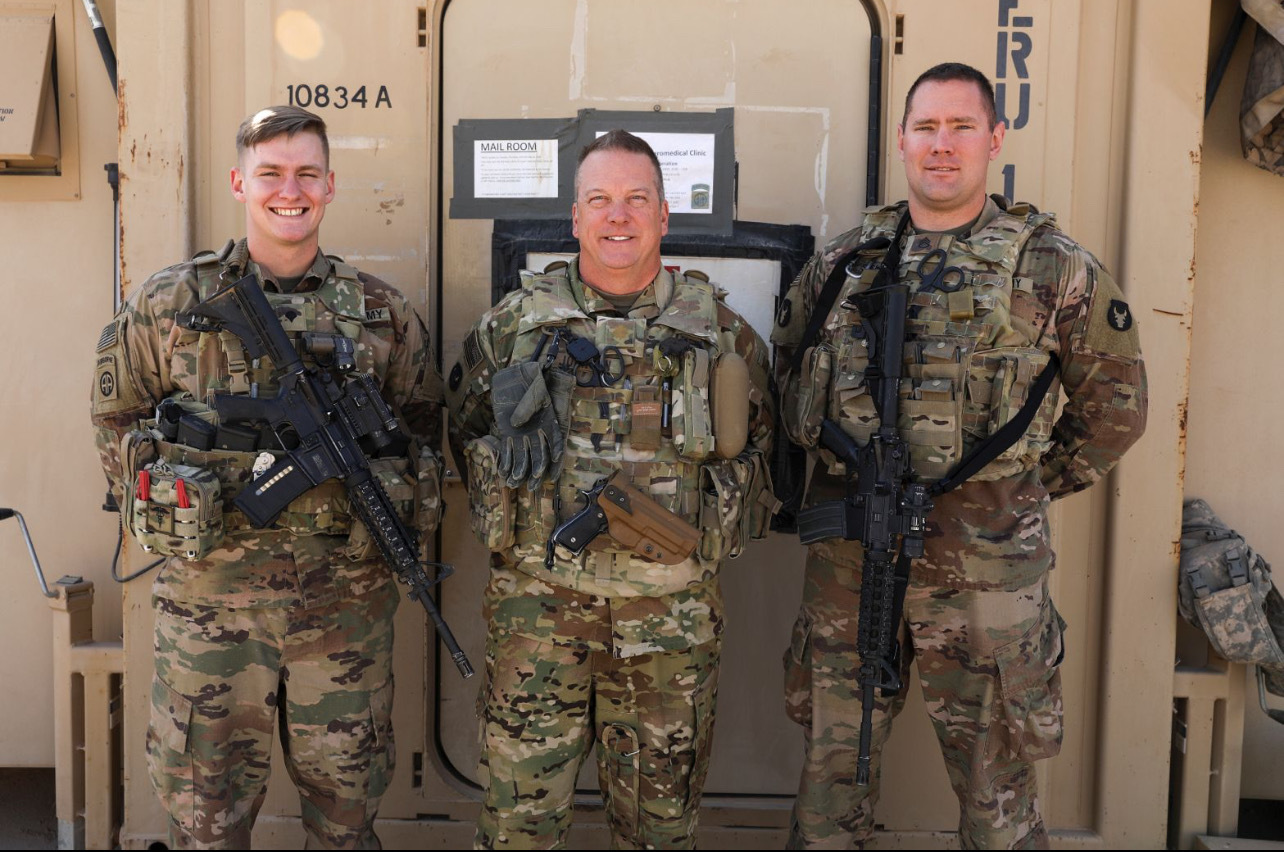
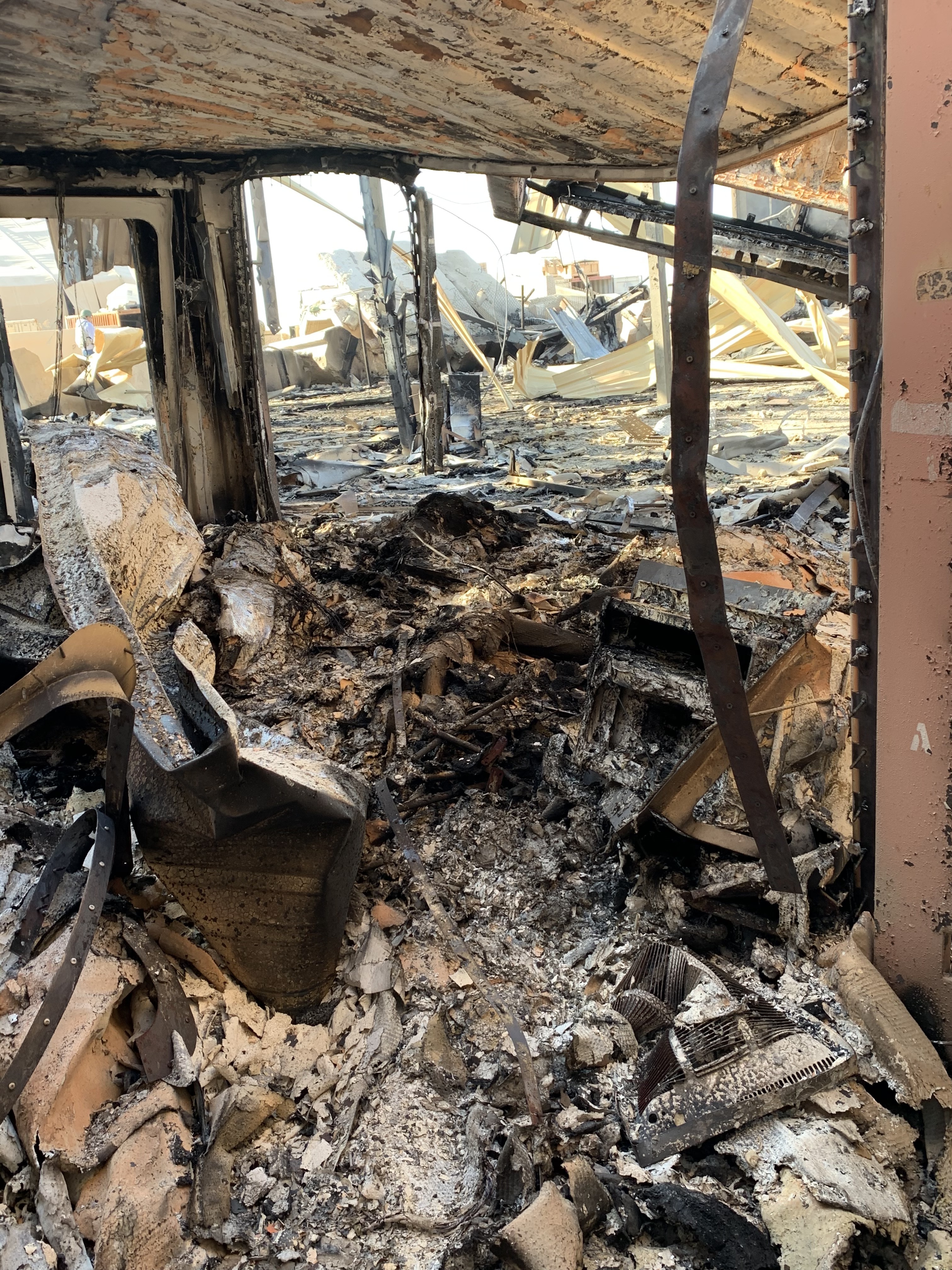
Photo courtesy of Alan Johnson.
“These findings confirm what many of us experienced — that blast-related brain injuries are often delayed, subtle, and easily missed in austere combat environments,” Johnson said in his testimony.
In one of Johnson’s peer-reviewed studies, researchers found that more than 20% of troops were diagnosed with mild TBIs four weeks after the attack. In a separate study that looked at 583 exposed troops, more than 80% experienced blast exposure and nearly half showed symptoms like sleep problems, anxiety, and headaches four to six weeks after the attack.
Johnson said that many soldiers pass the screening tool called the Military Acute Concussion Evaluation, MACE 2, because they underreport their symptoms in order to return to duty.
“Soldiers inherently are conscientious underreporters by nature,” Johnson told Task & Purpose. “You get into situations where you have people on flight status or have certain security clearances, etc., they generally are less forthcoming with what’s going on in fear of losing their qualifications to do their job.”
Johnson said a new tool, on which he was an advisor during development, could allow the military to capture “all of those undertriaged and underdiagnosed concussed or traumatic brain-injured soldiers in real time and make sure that they get appropriate care.”
The Rapid Evaluation of Attention for Duty, or READY tool, developed by MIT’s Lincoln Laboratory, the Brain Trauma Foundation and the Army Research Institute of Environmental Medicine, USARIEM, delivers results in 90 seconds, according to Dr. Jam Ghajar, president of the Brain Trauma Foundation.
Ghajar, founder of the Brain Trauma Foundation, which supports civilian and military research and guidelines for TBI identification and care, told Task & Purpose that the app-based test is not looking to replace MACE, but provide a self-administered test for rapidly assessing readiness “upfront in austere environments, maybe without physicians, without medics, and then maybe at garrison for surveillance.”
“If you’re out in the middle of nowhere, the MACE is not useful. It’s not appropriate, it’s too long. We need something that can be done upfront,” Ghajar said. “You have a whole bunch of people like Al Johnson in Iraq when they got bombed — suddenly you got 50 people who look kind of dazed, you don’t know how to evaluate them.”
Researchers planned to evaluate the tool as part of a sleep deprivation study with the Army Research Institute of Environmental Medicine, but Ghajar said they’re waiting for additional funding.
Researchers plan to evaluate the tool over the summer during exercises at Fort Leonard Wood, Missouri, to collect user feedback and assess the “tool’s effectiveness in operationally relevant settings,” Dr. Kristin Heaton, a psychologist for USARIEM’s military performance office, said in a statement to Task & Purpose. Heaton said they’ll use the tool to look at soldiers’ situational awareness at the start, during, and end of a training exercise.
“Before it was ‘Oh, let’s put them in the MRI scanner. Let’s give them eight hours of neuropsychological testing,’” Ghajar said. “It’s a new way of thinking about how to evaluate people.”
Task & Purpose Video